
Overview
Transportation environments subject electronic displays to some of the harshest operating conditions in any industry — extreme temperatures, continuous vibration, voltage fluctuations, and exposure to dust and moisture. AplusLCD transportation displays are engineered from the ground up for these demanding conditions, with wide-temperature components, anti-vibration mounting systems, and wide-range DC power inputs. Our displays serve railway passenger information systems, bus fleet management, marine navigation, and vehicle-mounted applications worldwide. With over 10 million cumulative operating hours logged across railway, bus, and marine deployments, our transportation displays have proven their reliability mission after mission.

Environmental Hardening
Our transportation displays utilize industrial-grade LCD panels rated for -20°C to +70°C operation without the need for active heating or cooling in most installations. For extreme cold environments below -20°C, optional integrated heaters ensure reliable startup within minutes. The electronic design features conformal coating on PCBs for moisture and salt-spray protection, essential for marine and coastal railway applications. All connectors are locking-type to prevent disconnection from vibration.
Anti-Vibration Design
Continuous vibration from rail tracks, road surfaces, and marine engines can cause display failures through connector fretting, component fatigue, and touch sensor degradation. Our transportation displays incorporate MIL-STD-810G vibration testing as part of standard qualification. Mechanical design features include reinforced mounting brackets with vibration-damping grommets, strain-relieved internal cabling, and solid-state components without mechanical hard drives.
Sunlight Readability & Optical Performance
Transportation displays frequently operate in high-ambient-light conditions including direct sunlight through vehicle windows. We offer brightness levels from 1000 to 3000 cd/m² with optical bonding to eliminate internal reflections. Auto-dimming sensors adjust brightness based on ambient light, improving readability during day-night transitions while reducing power consumption. Wide viewing angles ensure information is visible to all passengers regardless of seating position.
Technical Specifications
| Parameter | Specification |
|---|---|
| Screen Size | 7" to 32" |
| Brightness | 1000 to 3000 cd/m² |
| Operating Temperature | -20°C to 70°C |
| Input Voltage | 9-36 VDC (12V/24V systems) |
| Vibration Rating | MIL-STD-810G qualified |
| Connector Type | Locking connectors (anti-vibration) |
| Certifications | EN 50155 ready, CE, FCC |
Applications
Related Industry Solutions
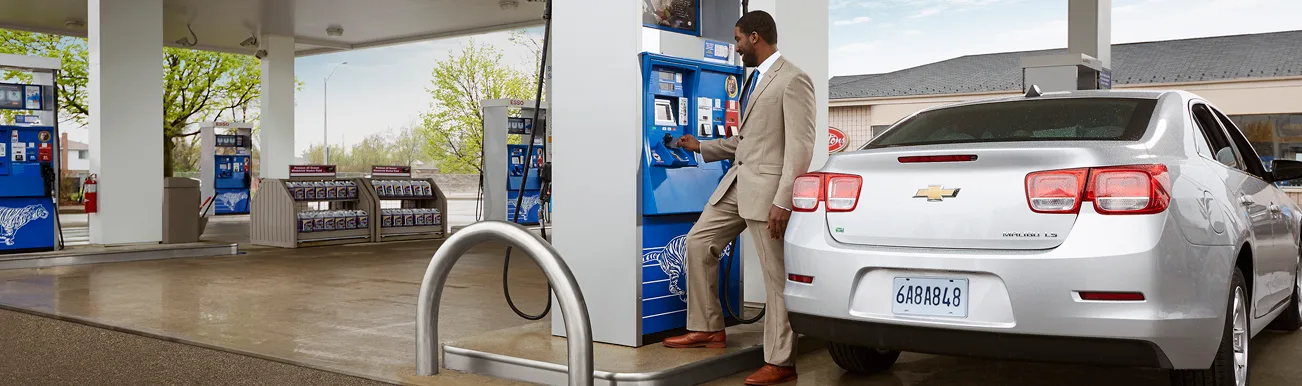
Industrial-grade monitors engineered for refineries, chemical plants, offshore platforms and hazardous areas. Stainless steel enclosures, IP67 rated, wide operating temperature range.
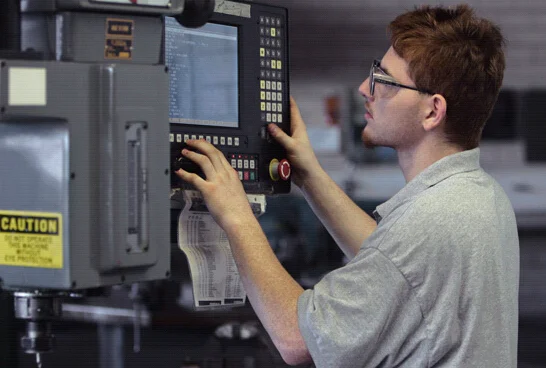
Precision HMI displays for factory automation, machine control panels, process monitoring stations and industrial SCADA systems. Panel mount, rack mount and open frame options available.
Frequently Asked Questions
Can your displays operate continuously at -20°C without a heater?
Yes. Our wide-temperature LCD panels are rated for cold-start and continuous operation at -20°C. The LCD response time may be slightly slower at extreme cold temperatures, but the display remains functional. For environments below -20°C, we offer integrated heater options.
What power input voltage range do your transportation displays support?
Our standard transportation displays accept 9-36 VDC input, compatible with 12V and 24V vehicle electrical systems including cold-crank and load-dump conditions. Custom input ranges up to 110 VDC are available for railway and marine applications.
Do your transportation displays meet EN 50155 railway certification standards?
Yes. Our railway-grade displays are designed to meet EN 50155 requirements for electronic equipment used on rolling stock, including temperature, shock, vibration, and EMC test criteria. We provide complete test documentation to support your rolling stock certification process.
How do your displays handle voltage fluctuations in vehicle electrical systems?
Our wide-input power supplies (9-36 VDC) are engineered to handle vehicle electrical system transients including cold-crank voltage drops below 6V, load-dump surges up to 174V, and reverse polarity protection. This ensures stable, uninterrupted operation even with unstable vehicle power or during engine start-stop cycles.